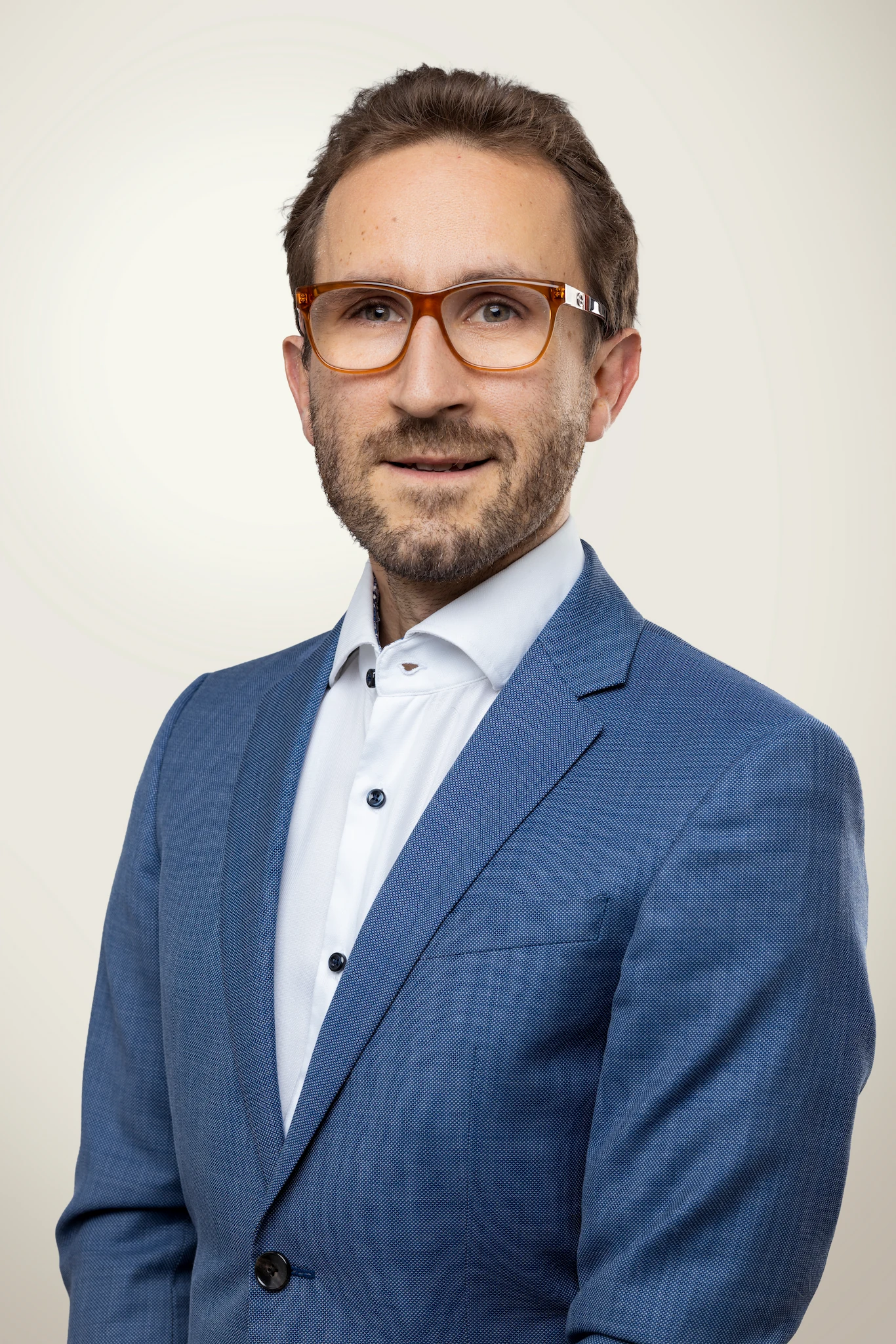
Assoc. Prof. Priv.-Doz. Dr. Werner Dolak
Your specialist for Endoscopy in Vienna
As a specialist in Internal Medicine, Gastroenterology & Hepatology, and Internal Intensive Care Medicine, I offer you the full spectrum of gastroenterological diagnostics and therapy. For me, the focus is not only on medical excellence, but above all on the individual and their specific needs.

MY SPECIALTY
What is Endoscopy?
In gastroenterology, endoscopy uses natural body openings such as the mouth or anus to insert cameras and instruments into the body for the diagnosis and treatment of digestive system diseases. Therapeutic interventions using endoscopic procedures have developed rapidly in recent years and have now become the standard treatment for many diseases.
This offers clear advantages for patients:
- Less pain after the procedure
- No external scars
- Shorter hospital stays
- Faster recovery and return to daily life
SERVICES
My Services
I specialize in the following endoscopic procedures due to multiple research stays abroad and years of experience as Program Director for Advanced Endoscopy at the AKH Vienna University Hospital. In my practice, I offer planning and consultation for individual examinations, which I can organize for you in a public health insurance setting or in a private hospital.
Screening Colonoscopy
Colonoscopy for the detection and removal of "polyps" as cancer prevention – pain-free and memory-free thanks to sedation
Gastroscopy, Colonoscopy
Gastroscopy and colonoscopy for the clarification of stomach and digestive complaints – pain-free and memory-free thanks to sedation
Polypectomy, EMR, ESD, EID, STER, FTER, EFTR
State-of-the-art endoscopic resection techniques for benign lesions, precancerous stages, and early cancer stages in the digestive tract
ERCP including stone extraction & stenting in the bile and pancreatic duct
Endoscopic examination of the bile ducts and pancreas with the possibility of biopsy and therapy (stone removal, bridging of strictures, radiofrequency ablation)
Endoscopic Ultrasound including targeted biopsy and therapy
"Internal ultrasound" for diagnosis including targeted tissue acquisition or therapy in the area of the esophagus, stomach, liver, bile ducts, pancreas, small and large intestine, as well as in the chest and abdominal cavity.
Monitoring and therapy for Barrett's esophagus and associated precancerous lesions
From surveillance examination with high-resolution endoscopy to therapy for Barrett's carcinoma using mucosal resection (EMR), submucosal dissection (ESD), and radiofrequency ablation (RFA)
Dilation, bougienage, and stenting for strictures in the digestive tract
Widening and bridging of strictures caused by inflammation or tumors throughout the digestive tract – to restore food passage.
Endoscopic Gastroenterostomy and Choledochoduodenostomy
Bypassing total blockages of the gastric outlet or bile outflow using special "lumen apposing stents" (LAMS)
POEM, G-POEM, D-POEM, Z-POEM
Minimally invasive high-end techniques for the treatment of achalasia, gastroparesis, and esophageal diverticula including Zenker's diverticulum
Drainage of pancreatic cysts
Endoscopic drainage of pancreatic cysts using a stent via the stomach or duodenum
Capsule Endoscopy
Pain-free small bowel examination using a video capsule – for clarifying unexplained bleeding and in cases of suspected or for follow-up assessment of chronic inflammatory bowel disease
Enteroscopy
(Balloon-assisted) endoscopic examination of the small intestine for diagnosis and therapy (e.g., hemostasis)
Endoscopic Hemostasis Techniques
Argon Plasma Coagulation (APC), Radiofrequency Ablation (RFA), clip, rubber band ligation, and similar techniques for vascular changes and varices in the digestive tract, including angiodysplasias, "watermelon stomach," and radiation proctitis.
Botox Injection
Injection of botulinum toxin for passage disorders in the digestive tract such as achalasia or gastroparesis as bridging therapy before (G-)POEM.
PEG/PEJ Tubes
Placement of a percutaneous feeding tube into the stomach or small intestine as a bridge when oral food intake is medically impossible or insufficient
ABOUT ME
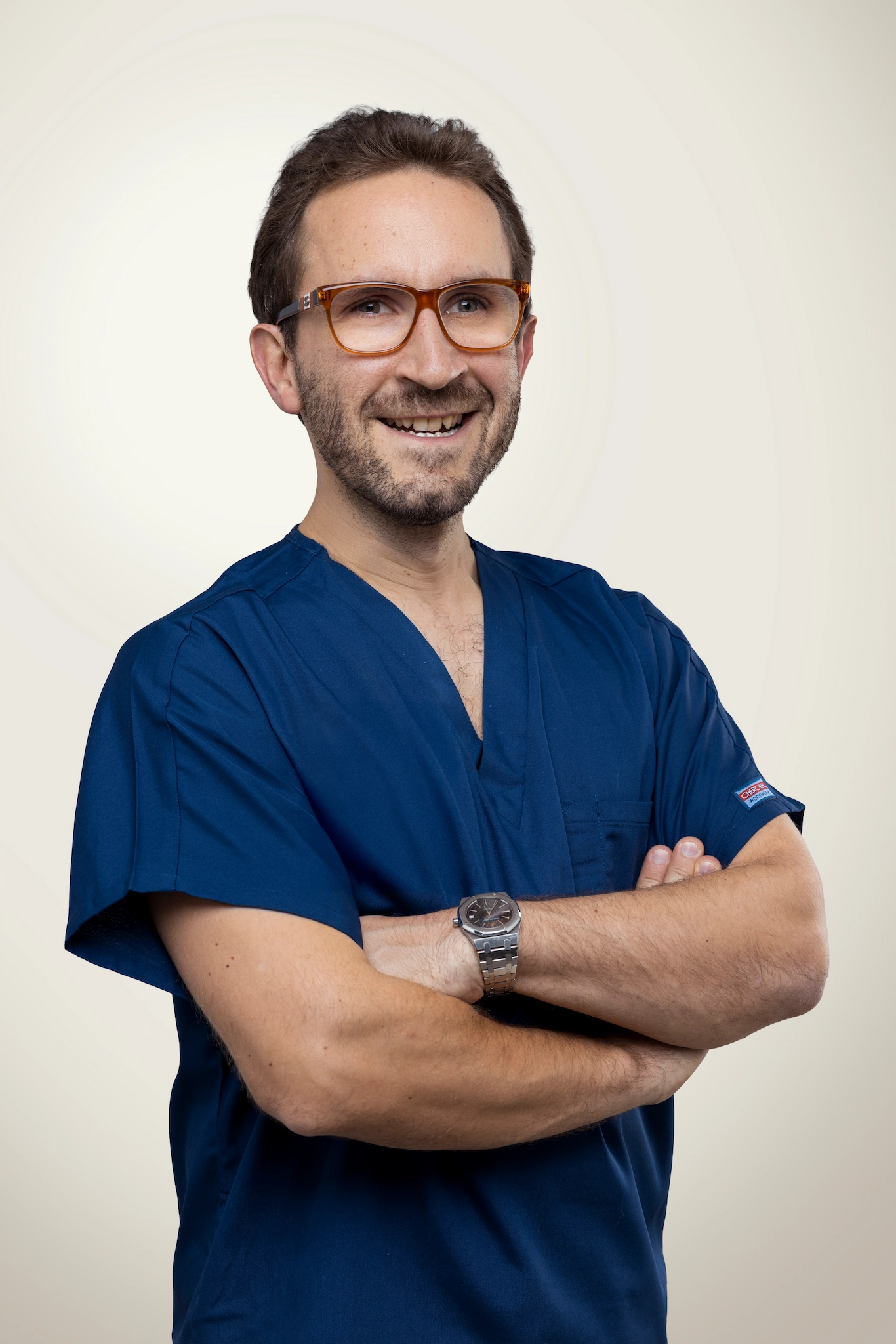
About Assoc. Prof. Priv.-Doz.
Dr. Werner Dolak
Specialist in Internal Medicine, Gastroenterology & Hepatology
Patients often come to me for a second opinion to discuss endoscopic alternatives to traditional surgery for diseases of the esophagus (reflux, Barrett’s, achalasia), stomach (gastritis, early carcinomas), intestines (polyps, early carcinomas), liver (bile duct diseases), or pancreas (chronic pancreatitis).
Many patients can now be treated with endoscopic therapies instead of conventional surgery. What particularly fascinates me about endoscopy is that new fields are constantly being explored, more and more operations can be performed endoscopically, and thus more people can be helped.
To always offer these sometimes complex endoscopic procedures at the cutting edge of technology, I am in active research exchange with leading endoscopy centers in Japan and China.
PRACTICE
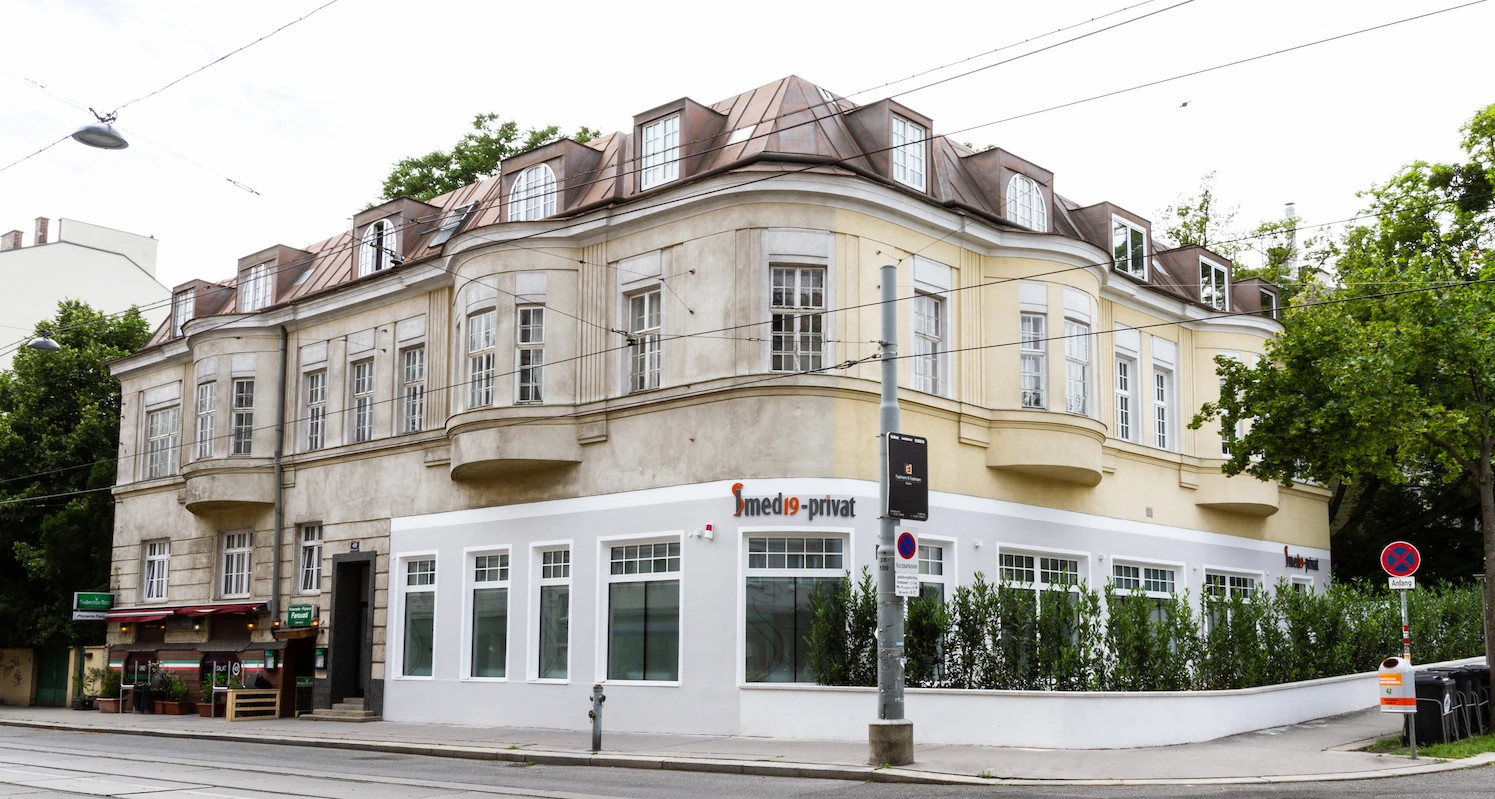
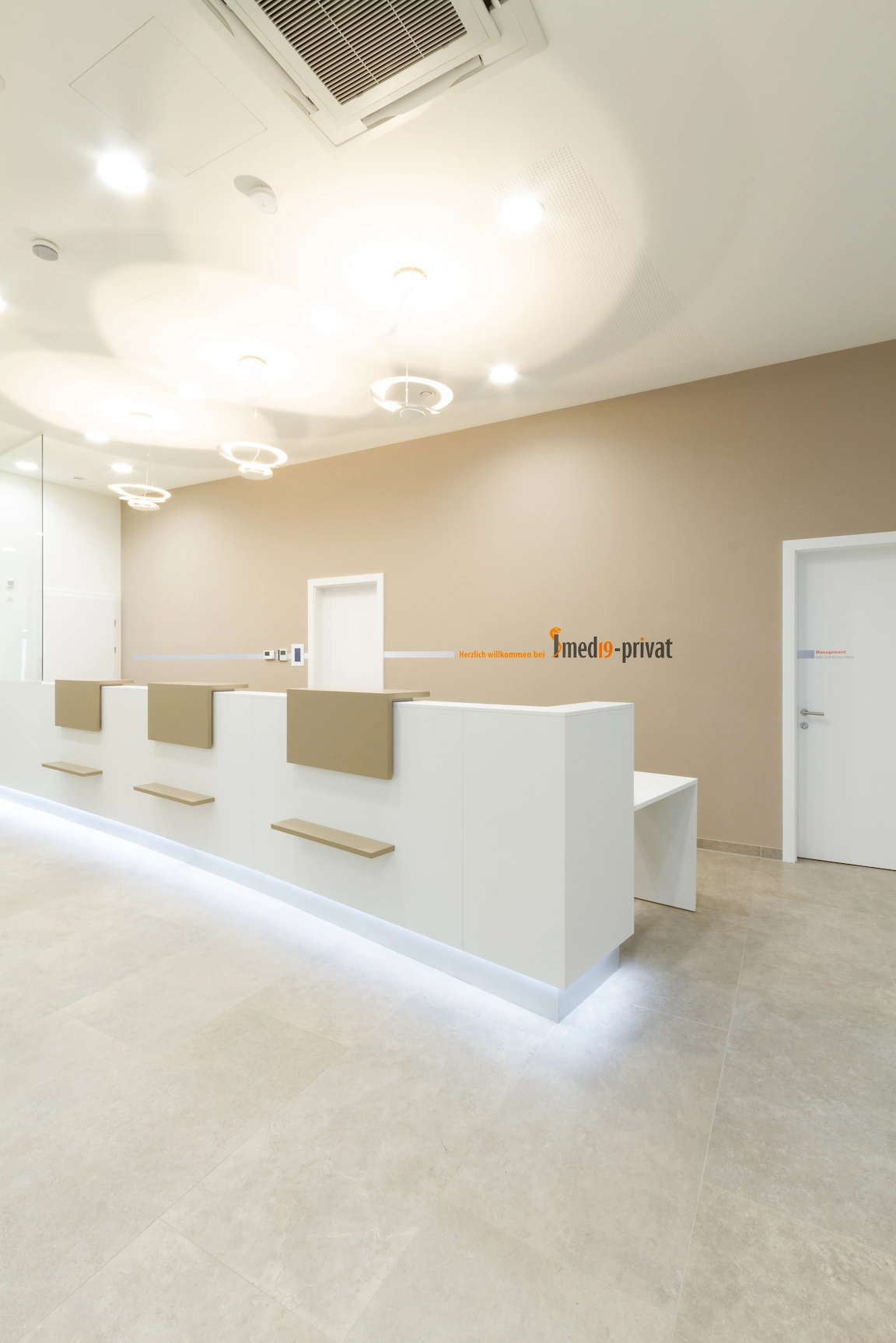
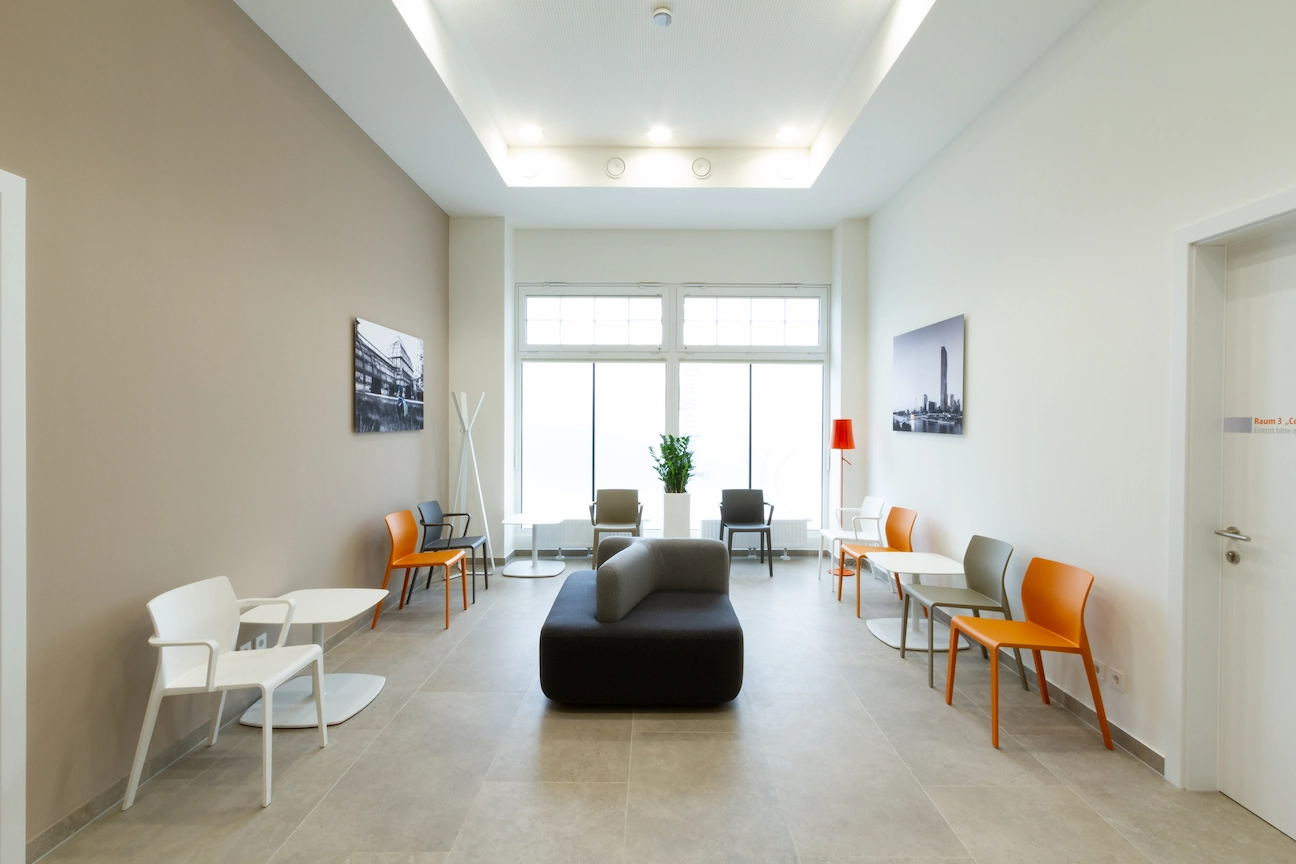
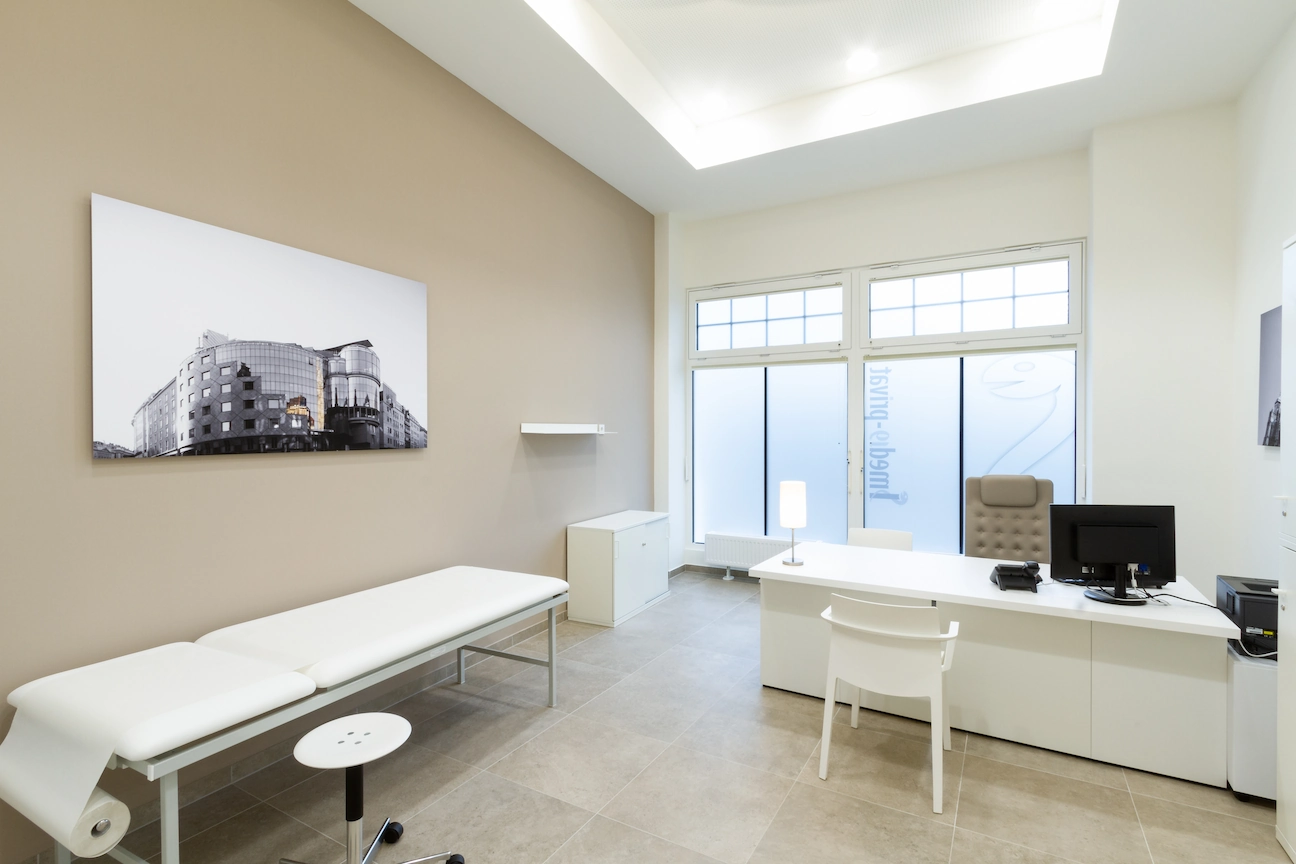
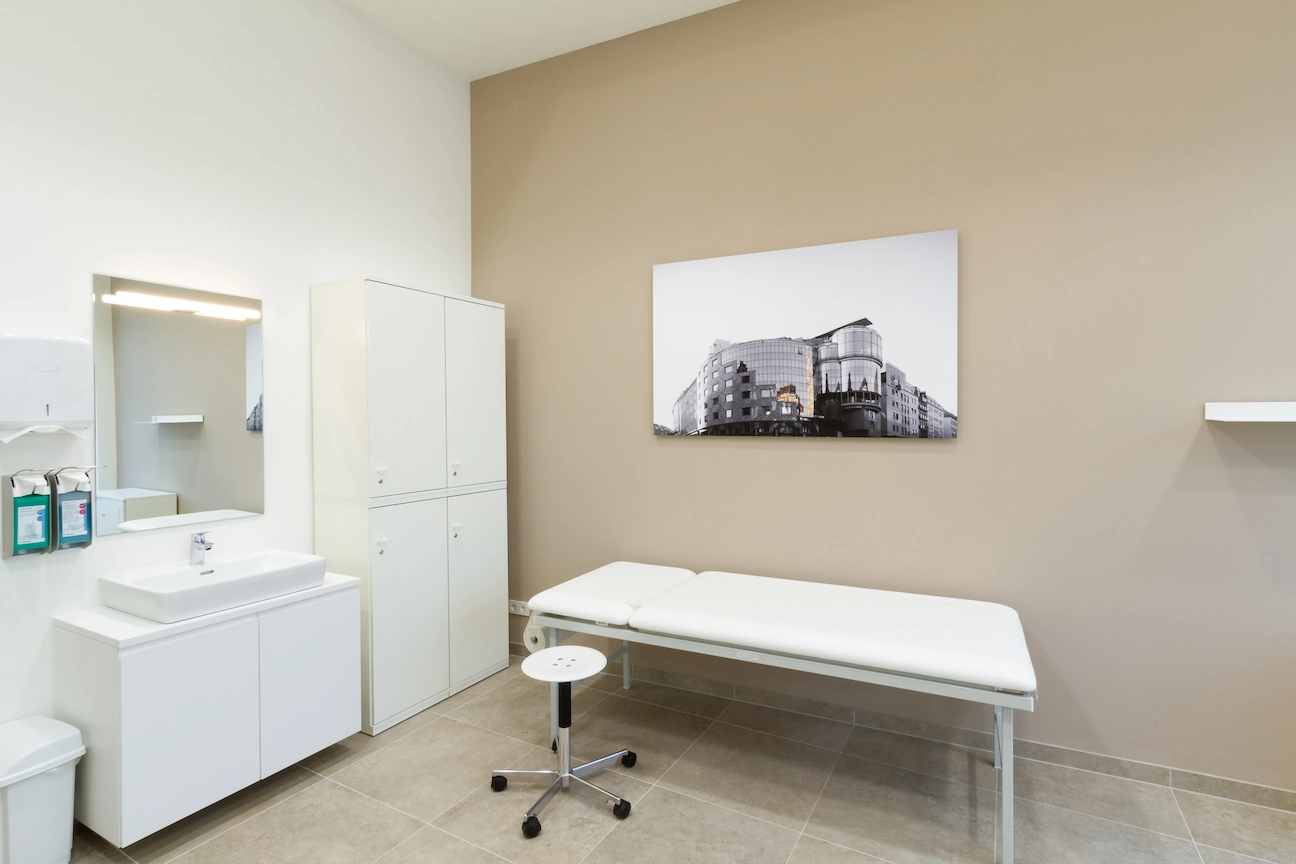
Impressions from my practice at Imed19-privat
FAQ
Frequently Asked Questions
When is an endoscopy useful?
An endoscopy may be necessary to clarify symptoms such as persistent abdominal pain, heartburn, difficulty swallowing, or blood in the stool. It is also used for prevention or for a more precise assessment of abnormal findings. We will gladly clarify in a personal consultation whether an examination is appropriate in your case.
Does an endoscopy hurt?
Endoscopic examinations are generally well-tolerated. If desired, sedation can be administered so that you experience the examination as relaxed as possible. We take the time to discuss all steps with you in advance.
How do I prepare for the examination?
Depending on the type of endoscopy, different preparations are required, such as fasting or a special bowel cleansing. We will provide you with precise instructions in good time so that the examination can be carried out optimally.
How long does the examination take and can I go home afterwards?
The examination itself usually only takes a few minutes. In total, you should plan about 30 to 60 minutes at the practice. After sedation, you are not allowed to drive yourself and should arrange for someone to pick you up.
How quickly can I get an appointment? Do I need a referral from my family doctor?
We strive to arrange appointments promptly. For urgent complaints, we try to make short-term appointments possible.
As I am a private doctor (Wahlarzt), you do not need a referral from your family doctor.
What are the costs involved?
I am a private doctor (Wahlarzt) and do not have contracts with health insurance companies. This means that I will send my invoice directly to you. You pay the bill yourself first and can then submit it to your health insurance company.
For the initial consultation, I charge a fee of €180.
If you have supplementary insurance, you also have the option to submit the invoice to them. Depending on the individual insurance conditions, a corresponding reimbursement may then be made.
When is an endoscopy useful?
An endoscopy may be necessary to clarify symptoms such as persistent abdominal pain, heartburn, difficulty swallowing, or blood in the stool. It is also used for prevention or for a more precise assessment of abnormal findings. We will gladly clarify in a personal consultation whether an examination is appropriate in your case.
Does an endoscopy hurt?
Endoscopic examinations are generally well-tolerated. If desired, sedation can be administered so that you experience the examination as relaxed as possible. We take the time to discuss all steps with you in advance.
How do I prepare for the examination?
Depending on the type of endoscopy, different preparations are required, such as fasting or a special bowel cleansing. We will provide you with precise instructions in good time so that the examination can be carried out optimally.
How long does the examination take and can I go home afterwards?
The examination itself usually only takes a few minutes. In total, you should plan about 30 to 60 minutes at the practice. After sedation, you are not allowed to drive yourself and should arrange for someone to pick you up.
How quickly can I get an appointment? Do I need a referral from my family doctor?
We strive to arrange appointments promptly. For urgent complaints, we try to make short-term appointments possible.
As I am a private doctor (Wahlarzt), you do not need a referral from your family doctor.
What are the costs involved?
I am a private doctor (Wahlarzt) and do not have contracts with health insurance companies. This means that I will send my invoice directly to you. You pay the bill yourself first and can then submit it to your health insurance company.
For the initial consultation, I charge a fee of €180.
If you have supplementary insurance, you also have the option to submit the invoice to them. Depending on the individual insurance conditions, a corresponding reimbursement may then be made.
Address & Directions
Imed19-Privat
Chimanistraße 1
1190 Vienna
Tram 38 | Gatterburggasse
Contact
Phone: +43 1 3671373
Email: ordination@imed19-privat.at
Consultation hours:
every Tuesday
4:30 PM to 8:00 PM
Private Doctor Principle
I am a private doctor (Wahlarzt). This means that I will send my invoice directly to you. You pay the bill yourself first and can then submit it to your health insurance company.